Can Tai Chi Improve Balance and Mobility in Assisted Living?
Yes, Tai Chi improves seniors’ balance and mobility in assisted living communities. This ancient traditional Chinese practice combines deep breathing, slow, controlled movements, and mental concentration to achieve wholeness. Regular tai chi practice improves balance and mobility by reducing the risk of falling, improving coordination, and boosting confidence in movement, according to numerous studies.
You want your loved one to remain physically active and independent as they transition to assisted living. Tai chi is a gentle yet effective way to achieve these goals.
This article will explore various sub topics to show that tai chi helps in improving balance and mobility in seniors resident in assisted living communities. Read on to learn more!
A Little on What Tai Chi Is
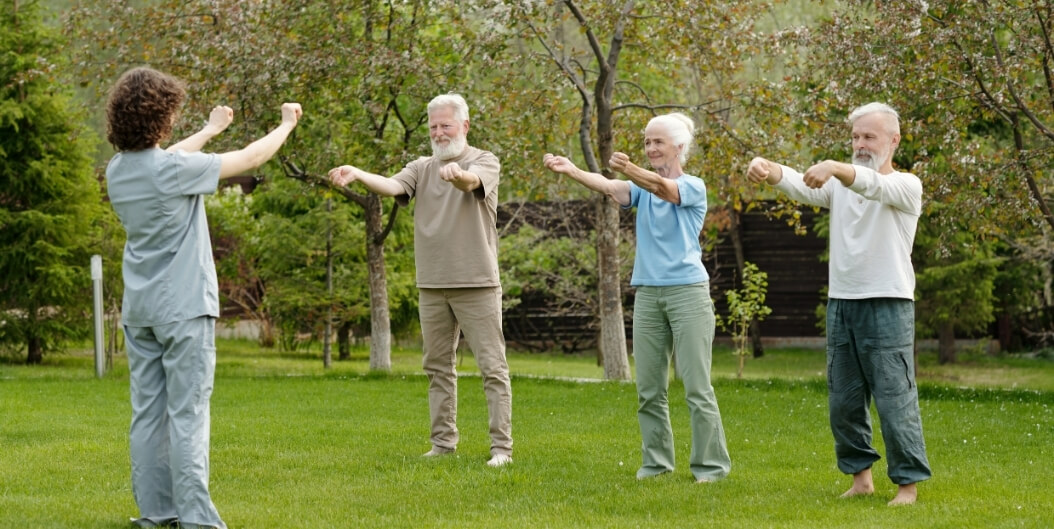
Tai chi consists of slow, deliberate movements that flow into one another. While maintaining their upright posture, practitioners gradually shift their weight and move through positions that test their balance in a controlled manner. The practice requires no special equipment and can be adjusted to accommodate people of all fitness levels. To improve, your loved one does not need to have done anything similar before or be particularly athletic.
How Tai Chi Helps You Maintain Your Balance
As people age, their balance deteriorates due to muscle weakness, reduced spatial awareness, and poor coordination. Tai chi directly addresses these issues by utilizing weight-shifting exercises that teach the body how to maintain stability while moving. It also improves proprioception, or your body’s awareness of its location in space. If your loved one has good proprioception, they can catch themselves before falling.
More Mobility Advantages of Tai Chi That Go Beyond Balance
Tai chi is beneficial not only for balance but also for overall mobility. The gentle stretching increases your flexibility and range of motion. Muscles strengthen when they have to control slow movements. Your loved one may notice that they can reach further and feel less stiff.
Numerous studies have shown that Tai chi works. According to studies, tai chi can reduce the risk of falls by up to 45% in older people. According to studies, people walk faster, have stronger legs, and feel more confident. This proof confirms that tai chi is a legitimate treatment.
Additionally, the mental health benefits of tai chi cannot be overstated. Tai chi is beneficial for more than just physical reasons. The meditative parts improve mood and cognitive function while also reducing anxiety. Your loved one practices Tai Chi with mindfulness. These mental health benefits complement the physical improvements in assisted living communities.
What Makes Tai Chi Ideal for Assisted Living Communities?
Tai chi is best practiced in assisted living and memory care communities. Group classes benefit both your physical and social well-being. Professional instructors ensure you have proper form and offer options.
Tai chi is a safer low-impact exercise for older people than high-impact ones. The meditative component distinguishes it from purely physical exercises. Even if your loved one has arthritis, they can still practice tai chi.
Tai chi can be started at any skill level. It is safe for people who do not exercise regularly. First, instructors demonstrate simple movements to help participants gain confidence over time. Also, adding slight changes to the chairs allow people with limited mobility to take part.
Long-Term Consistency is Important to Gain Tai Chi Benefits
With consistent practice, the benefits accumulate over time. For the best results, your loved one should attend at least two tai chi classes per week. Tai chi is one of the most popular activities for residents in assisted living communities. In a few weeks, your loved one may notice that things have stabilized. After three to six months of regular practice, your balance should improve significantly.
You Can Combine Tai Chi With Other Health Programs
Tai chi complements other wellness activities offered in assisted living communities. Tai chi, walking groups, and gentle strength classes are all things your loved one could do to stay active. This variety keeps things interesting while also providing care for various aspects of health.
A Few Things to Consider for Safety and Precautions
Tai chi is generally safe, but there are some precautions you can take to ensure that your loved one does not become injured while practicing. Instructors should evaluate each student and make any necessary changes. Your loved one should wear supportive shoes and practice in areas where they cannot trip. Staff members at assisted living communities monitor participants during group classes to ensure everyone is practicing safely.
Ready to find an Assisted Living Community where your loved one can practice Tai Chi? Learn more about Lyndale Edmond Senior Living today
Your loved one should be able to participate in evidence-based wellness programs, such as Tai Chi. Residents of Lyndale Edmond Senior Living in Edmond, Oklahoma, participate in a variety of health and wellness programs, including group fitness classes to improve their balance and mobility. Our personalized care plans ensure that your loved one receives the care they require while also improving their quality of life.
If you’re ready to explore assisted living, where a variety of wellness programs support physical function, contact Lyndale Edmond Senior Living to schedule a tour.