Can Adaptive Group Exercises Improve Wellness and Social Connection in Assisted Living?
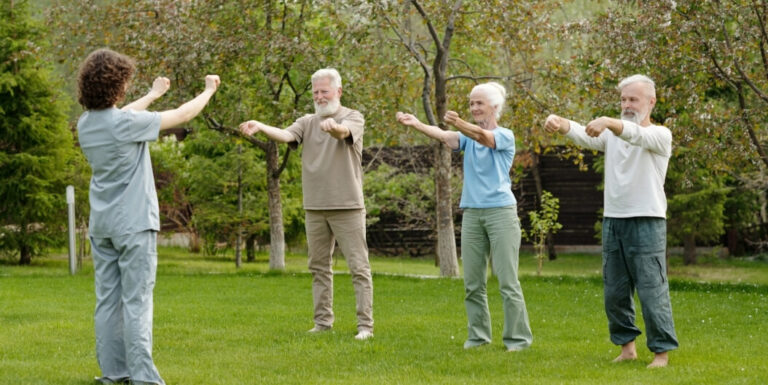
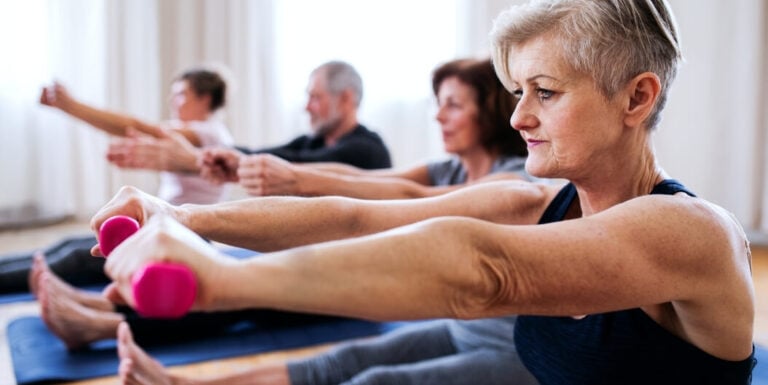
Consider laughing with new friends as you stretch in a bright fitness room, or how good it feels to finish a chair yoga class that leaves you feeling energized and connected to your community. These examples demonstrate how adaptive group exercises can transform lives in assisted living communities. The question is not whether adaptive group exercises can make assisted living residents healthier and more connected to one another; it is how much better they can improve your daily life when carefully planned and led by a professional.
Why Don’t Regular Exercise Programs Work for Seniors?
Many traditional fitness programs failed to consider the capabilities and limitations of seniors, making it difficult for them to participate. You may be afraid of high-intensity workouts or lose hope when you see exercises that appear too difficult to perform safely, given your current level of mobility. In a traditional gym, people may feel isolated and competitive rather than supported and motivated. If exercising feels like a lonely struggle rather than a fun group activity, you are less likely to stick with it and reap the social benefits that group fitness can provide.
Adaptive group exercises in assisted living communities address these issues by meeting people where they are physically and ensuring that everyone can participate and feel valued for their efforts.
Can Adaptive Group Exercises Improve Wellness and Social Connection for Residents in Assisted Living?
Yes, definitely! Studies have repeatedly demonstrated that adaptive group exercises improve the physical and social health of assisted living residents of all fitness and mobility levels.
Chair Exercises Enhance Strength and Promote Social Interaction
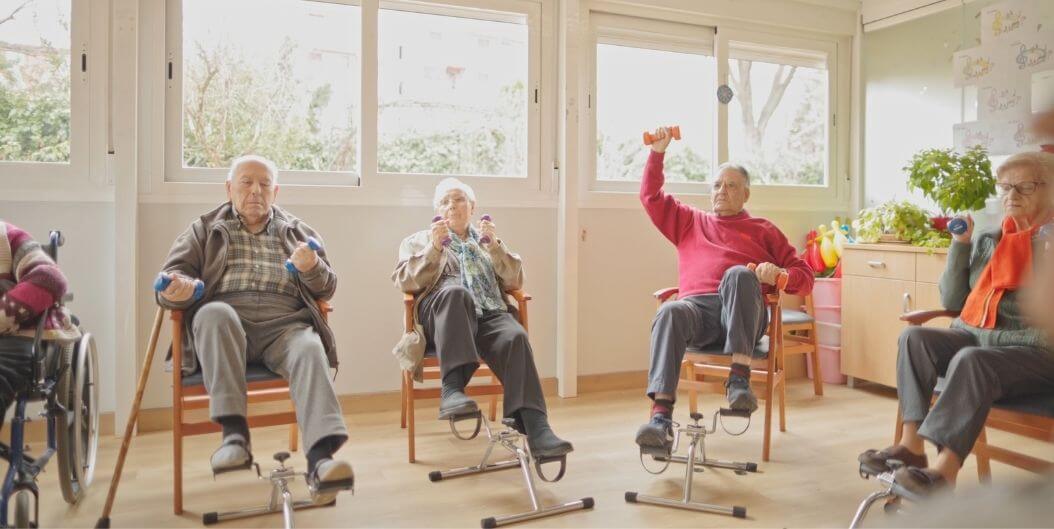
Chair-based exercise programs are an excellent way to meet other residents with similar physical challenges while also improving your strength, flexibility, and balance. These sessions make it easier for you to encourage one another and celebrate small victories together.
You’ll be surprised at how effectively chair exercises can help you maintain muscle mass, improve circulation, and increase joint flexibility. The group setting transforms what could be tedious physical therapy into enjoyable social gatherings, where people converse and laugh without effort.
Water Aerobics Classes Bring Happiness to Residents in Their Senior Living Community
If your assisted community has a pool, water aerobics is one of the most beneficial and socially engaging forms of exercise. The buoyancy of the water reduces stress on your joints and allows you to move more freely than on land. People look forward to spending time with specific friends in these classes, which frequently become highlight events. They also appreciate the therapeutic benefits of gentle water movement. The relaxed setting of pool exercises makes it easy to talk to others and provides natural opportunities to form deeper friendships.
Balance and Fall Prevention Programs Provide Peace of Mind and Safety
Adaptive balance classes help people become more stable and confident, while also fostering friendships with their classmates. You’ll collaborate with other residents who understand the importance of maintaining independence and can guide you through challenging exercises.
These programs frequently include partner exercises that encourage people to make friends while also addressing significant safety concerns. The shared goal of remaining mobile and avoiding falls brings participants together, helping them make progress.
Gentle Yoga and Stretching Classes Encourage Relaxation
Yoga and stretching programs that have been modified can help you become more flexible and find mental peace, while also allowing you to meet other people who enjoy gentle exercise. People frequently talk to each other at the start and end of these sessions to express their feelings and celebrate their accomplishments. These exercises are mindful, creating peaceful environments in which meaningful conversations can occur naturally. This can lead to long-term friendships built on common wellness goals and mutual support.
How Do These Programs Work for People of Different Fitness Levels?
Fitness instructors in assisted living communities understand how to tailor each exercise to the needs of the entire class. Adaptations ensure that everyone can contribute meaningfully to the group experience, so you’ll never feel excluded or unable to take part. Adaptive programs offer various options for individuals who use walkers, wheelchairs, or have other health-related needs, enabling them to participate safely while also feeling challenged and achieving a sense of accomplishment. This all-inclusive approach ensures that fitness differences are used to help people rather than divide them. The best thing about adaptive group exercises is that they bring people with diverse abilities together to learn from one another and celebrate various types of progress and success.
What Social Benefits Are There to Gain From Activities Other Than Exercise?
The friendships formed during adaptive group exercises frequently last long after the workout is completed. These friendships can improve your overall assisted living experience. Exercise partners often become people with whom you share meals, engage in activities, and confide in, in everyday life within the community. These relationships create natural support systems in which residents look out for each other’s health, encourage each other to continue participating in wellness activities, and form accountability partnerships that promote healthy habits. Many residents report that their exercise group has become their closest friends in the community. They provide emotional support, shared experiences, and genuine friendship, which significantly improve their quality of life.
How Do You Start Doing Adaptive Group Exercises?
Most assisted living communities provide a variety of adaptive exercise classes throughout the week. You can select the options that best suit your interests, fitness level, and schedule. To determine which formats you prefer and where you feel most at ease socially, begin by taking a variety of classes. Don’t worry about your current fitness level or keeping up with others. These programs are designed to make newcomers feel welcome and allow them to progress at their own pace while making friends with others in the program.
The most important aspect is to show up and allow yourself to try something new. Be open to the friendships that will naturally emerge from shared wellness experiences.
Ready to Feel Better and Make New Friends by Working Out Alongside Others? Discover Lyndale Edmond Assisted Living Today
Adaptive group exercises transform assisted living from a mere place to live into vibrant communities that promote health and friendship through shared movement and support. Lyndale Edmond Senior Living’s comprehensive wellness programs offer numerous opportunities to enhance your physical health while fostering friendships with other residents who will be there for you for a long time. Schedule a tour to see for yourself how our adaptive group exercise programs can help you get healthier and meet new people in our welcoming Edmond community.